
Specialized Vestibular Rehabilitation for Dizziness & Balance Disorders
What is vestibular rehab?
Vestibular rehabilitation (VR) or vestibular rehab therapy (VRT) is a specialized form of physical therapy that’s purpose is to evaluate and treat dizziness, vertigo, and imbalance symptoms that are occurring due to vestibular dysfunction. Because there are many causes of dizziness, vertigo, and imbalance, vestibular physical therapists have to excel in the assessment of these symptoms and what is causing them (whether it be due to vestibular dysfunction or due to another cause).
It is largely exercise based/movement therapy, however at Be Balanced Physical Therapy you can expect to receive a holistic approach. We believe that the foundation to recovery includes things like education, nervous system regulation and lifestyle modifications - therefore this will absolutely be a piece of “the treatment pie” that you will receive at Be Balanced Physical Therapy.
Vestibular rehab at Be Balanced Physical Therapy may also include manual therapy, as many times the neck can either be contributing to symptoms or the impairments involving the neck can be caused by symptoms of vestibular dysfunction.
What is the vestibular system?
The vestibular system involves the vestibular organ itself, the vestibular nerve, and the brain (more specifically the vestibular nuclear complex and the cerebellum). The vestibular system is broken up into 1) the peripheral vestibular system and 2) the central vestibular system. The peripheral vestibular system includes the vestibular organ and the vestibular nerve. The central vestibular system is the brain (vestibular nuclei and cerebellum).
The vestibular system’s job is to estimate our body/head position and motion. If you have a look at the pictures above you will see the vestibular organ both how it is positioned in the skull (deep in the inner ear), and the vestibular organ itself which has 5 main parts to it. There is a vestibular organ in each inner ear (so you have two of them).
The loopy canals you see (3 of them in each vestibular organ), are the semicircular canals. These are responsible for detecting rotational movement of your head. For all you physics folks out there - essentially they are a rotational accelerometer in your head.
The other part of the vestibular organ are the “utricle” and “saccule”. These organs together are called the “otoliths”. They are responsible for sensing linear movements of your head (up/down like in an elevator, and fwd/backward like in a car/walking), tilting of your head (lateral tilting and forward/backwards tilting), and because gravity is also a linear acceleration the otolith organs sense gravity/head position in space.
Let’s pause for a second — I mean HOW COOL is this???? This tiny little organ, which is the size of a dime in each inner ear, is responsible for these things.
So - your head moves in space and when this happens, your vestibular organ picks up on that movement, and then sends the message (“the input”) to the brain through the vestibular nerve. The vestibular nerve travels to the brain.
Side note: there are other inputs coming to the brain - and this includes somatosensory/proprioceptive input and visual input. Somatosensory input is the input from our joints/muscles/skin that allows us to feel and have a sense of our body position. Visual input is what our eyes are seeing.
When the brain receives this input from the vestibular system about head position/movement, it processes that information while also comparing it to the input from the somatosensory and visual systems. There is then an “output” which is the response the brain has to this information, all with the end goal of stabilizing gaze, maintaining balance, orienting ourselves in space and even playing a roll in cerebral perfusion by its connections with the autonomic nervous system. There are a few reflexes (output) in the vestibular system which include the vestibulo-ocular reflex (VOR), the vestibulospinal reflex (VSR), and the vestibulo-colic reflex (VCR).
The vestibululo-ocular reflex (VOR) is the “output” the that keep the eyes stable in your orbit. So when your head moves, your eyes move in the equal and opposite direction (and at the same speed) in order to keep your vision stable.
The vestibulospinal reflex (VSR) is the “output” that tells skeletal muscles to work in ways that allows us to keep our body balanced and stabilized.
The vestibulo-colic reflex (VCR) is the “output” that works on the neck musculature to help stabilize the head.
What is vestibular dysfunction?
Vestibular system dysfunction is when there is a problem in either the peripheral vestibular system (vestibular organ in the inner ear or vestibular nerve) and/or in the central vestibular system (brain). Symptoms/signs can vary depending on what part of the vestibular system is involved.
Symptoms of vestibular dysfunction can include:
impaired gaze stability/bouncing or blurred vision
sense of dysequilbrium
impaired sense of position/movement
dizziness (which is an umbrella term for A LOT of other sensations described in different ways)
imbalance
vertigo
*** there are so many other symptoms that could be associated with vestibular dysfunction, which could include things like fatigue, brain fog, tinnitus, hearing loss, vision impairment, nausea, cognitive changes, psychological changes like anxiety, motion sickness, derealization, and depersonalization
Diagnoses involving vestibular dysfunction (but not limited to):
BPPV (benign paroxysmal positional vertigo)
Vestibular Migraine
Labyrinthitis
vestibular neuritis
vestibular hypofunction (unilateral or bilateral)
Meniere’s Disease
Concussion
PPPD (Persistent Postural Perceptual Dizziness) aka 3PD
Acoustic neuroma
Mal de Debarquement
SSCD (superior semicircular canal dehiscence)
Other third window disorders/syndrome (such as perilymph fistula)
Autoimmune inner ear disease
Imbalance/falls
Central vestibular dysfunction (ex: cerebellar ataxia, stroke, Parkinson’s Disease, multiple sclerosis)
Motion sensitivity/visual motion sensitivity
***Of note: there are other causes of dizziness and imbalance that we treat at Be Balanced Physical Therapy - for example: cervicogenic dizziness, dysautonomia, and migraine
What does vestibular physical therapy include?
A good physical therapy assessment is looking to determine if the vestibular system is playing a roll in a client’s dizziness/vertigo/imbalance and/or what else might be contributing (for example: the neck, autonomic nervous system or other systemic/cardiac causes). If it is determined that symptoms/complaints are due to vestibular dysfunction, the goal is to then determine if the vestibular impairment is central or peripheral dysfunction because this can guide the treatment plan.
Treatment is very much dependent on each client’s presentation, taking a lot of things in to consideration such as their diagnosis (if they have one), lifestyle, goals, etc. As mentioned above, at Be Balanced Physical Therapy listening and education is a huge part of what we do. Physical therapy treatment sessions could also include vestibular exercises (such as gaze stabilization and habituation), advanced balance training, positional maneuvers (for BPPV), strength training, therapeutic exercise, manual therapy, and dry needling.
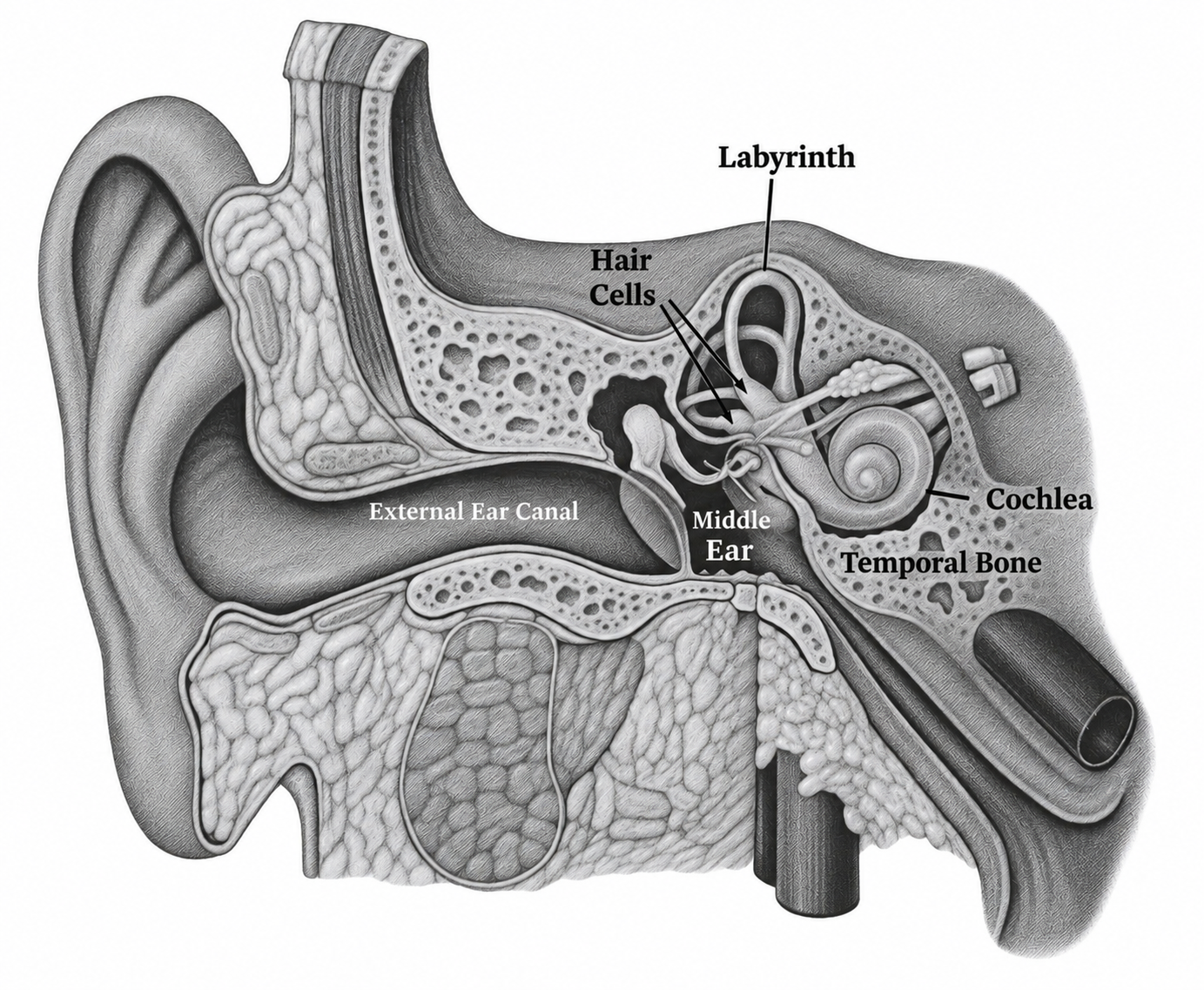
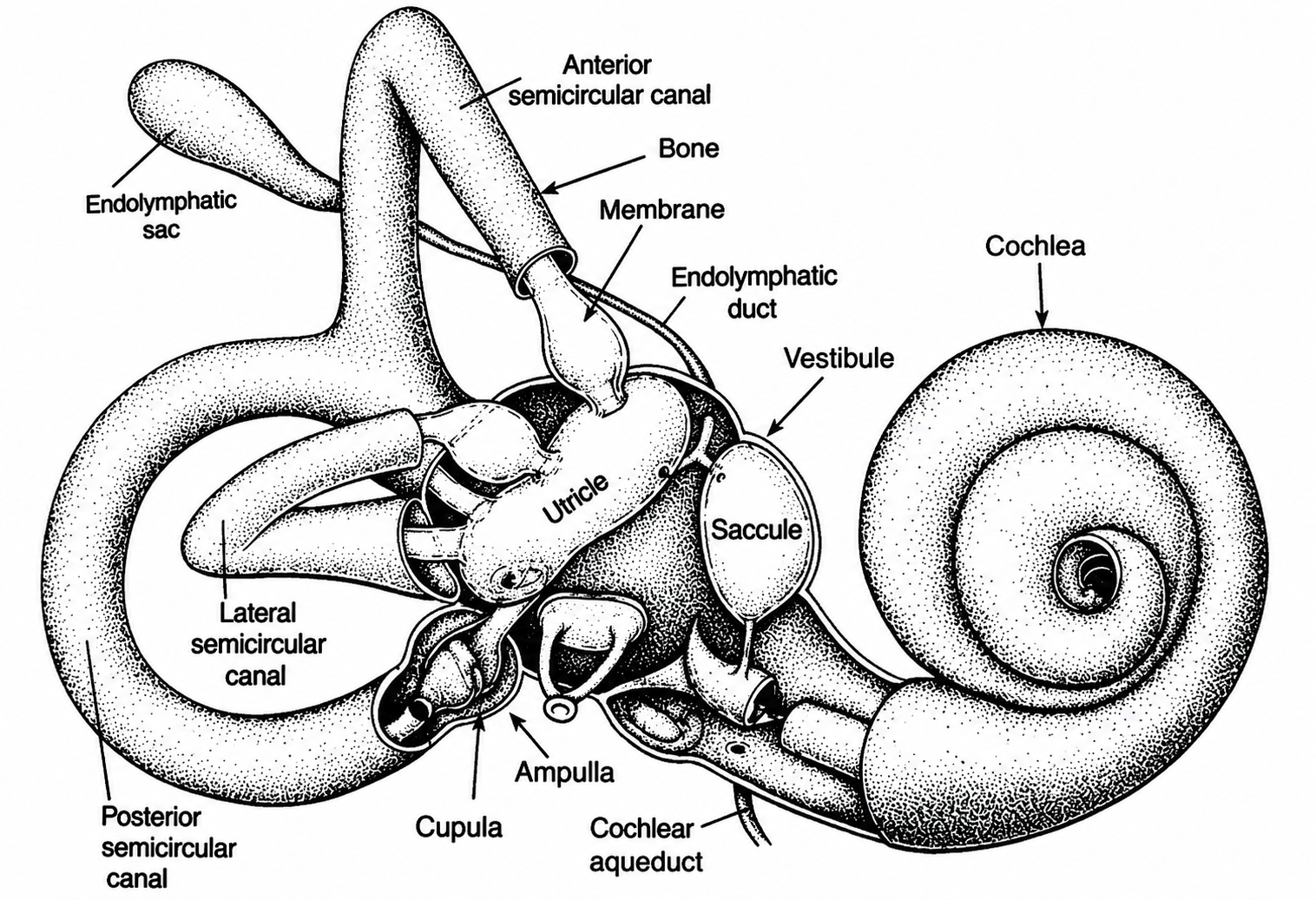
Photo Credit: both photos taken from the textbook: “Vestibular Rehabilitation, 4th Edition” by Susan J. Herdman and Richard A. Clendaniel